


5 Things I Wish I Knew Before Becoming a Full-Time Caregiver
Updated: Oct 25, 2025
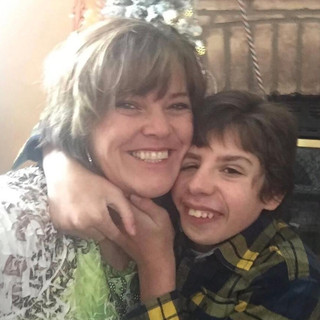
When I first became a full-time caregiver for my disabled son, I thought love and determination would be enough. I didn't know how heavy the emotional, mental and physical load would feel some days - or how much I would grow in the process. I honestly feel like the transition from mom to caregiver happened after his autism diagnosis in 2019. He had been doing great, gaining in many areas, involved in many extra-curricular activities and I had been homeschooling for 7 years at that time. Then everything shifted on June 14, 2019.
If you're a single parent caring for a disabled loved one, you know it's a path full of challenges and profound moments of joy. Looking back, there are so many things I wish someone had told me at the beginning - things that would have saved me tears, guilt and burnout. But it seems this path is so different for each family and each child, that we have to pick and choose the resources we can find and see if any of them can guide us to some sanity.
Today, I'm sharing 5 of the most important lessons I've learned along the way. I hope they help you feel seen, supported, and maybe even a little lighter.

It's OKAY to ask for help.
You are not weak for needing help, especially as a single parent. This was incredibly hard for me because I have been alone the majority of my life, and I'm very stubborn when it comes to asking for help. I can do it myself. I think I got that from my Dad. He was a farmer and didn't have help on the farm unless us kids were around, and even then, Dad would do the hard stuff, time and time again, dangerous things too. Because if it had to be done, he did it. I am thankful for that grit that Dad passed onto me, but it can also be detrimental to our health as well. There is a fine line and we need to get comfortable in asking and seeking out assistance. Asking friends, family, support groups or social workers.

Self-Care Isn't Selfish.
Listen we all know the saying, "you can't pour from an empty cup", and it is so incredibly important for caregivers to look at that saying EVERY DAY. Because self-care can easily be put on the back burner when you're caring for someone else and then if too much time passes, illness and disease can sneak up on you. The better you are mentally, physically, and emotionally, the better care you can provide for your loved one. Sneak in self care, even if it's 15 minutes in the morning before they wake up and do whatever it is that provides you peace. Whether that is sipping coffee on the porch with a favorite book, or just stepping outside and taking deep breaths to calm yourself. Take that time whenever you can. Every single minute helps. Get outside, take a walk, even if it's in your own yard, just go out into nature. Nature is very healing. Do something you enjoy that releases the tension. If you have a hobby you love, try to spend a few minutes doing that. I love to paint. Listen to your favorite music or watch a movie that helps you escape for a bit. I love comedy so I will tune into my favorite comedians and watch them for a minute to have a good laugh. Find what is meaningful and fulfilling for you and do it.

You Will Grieve the Life You Imagined - And That's Normal.
Grief hits each person in different ways. Mine initially came of course when my son's father walked out of our lives, because he couldn't handle the disabilities our son had. Then the next one came when my son, at age 4 asked me where his Dad was. That was difficult to explain to a 4 year old but I did my best. Grief and acceptance can coexist. I think I will always have some grief, as I continue to see people with typically developed children, grow up, get involved in sports and clubs, graduate, attend college, have their own families, and then grandchildren. My son may never be able to hold a job, or drive a car. This grief is real and it is normal. Tips for processing those emotions in healthy ways is key. So with that, pause and check in with yourself. Label what you're feeling whether it be sadness, anger or anxiety. Naming your emotions helps you gain clarity and control. Remind yourself that all emotions are valid, there are no "bad" feelings. Sit quietly and observe your emotions without trying to change them. Write or journal about them, about what you're feeling and why. Go for a walk, listen to some music. Cry if you need to, sometimes physical release is necessary, and it's okay.

We have to look at our situation in a unique perspective.
A new perspective may be recognizing the Profound Impact you have on your loved one and others. Caregiving shapes lives! Your dedication directly enhances your loved ones quality of life, safety, and dignity. The care you provide is irreplaceable and deeply meaningful. Consider the role of advocacy you play. You are not just a helper- you are an advocate, navigating complex systems, ensuring your loved one's needs are met, and often driving systematic change for others in similar situations. See yourself for who you TRULY are.

Systems Are Complicated - But You'll Figure Them Out.
Be patient with yourself learning Medicaid, SSI, waivers, etc. It takes time and the process is complicated. Seek out advocacy help from someone who has been through it or organizations that can help walk you through it. The challenges mount up and you have to sort through them systematically. I can attest to the fact that having loads of paperwork to complete can overwhelm the best of us. Have a system, noting down the information you need and proceed to take it step by step.
YOU ARE STRONGER THAN YOU THINK.

Celebrate the small wins. You are already doing an incredible job and remind yourself of that daily. It is a challenge that not everyone can handle. You can. Reach out to others in similar situations, reach out to organizations that are there to assist you. If you can't find them contact me, I will help you. If you need to vent, let's get a conversation going on my private FB page for my business. We need to be here for each other because only those that are in the trenches of this life, understand and can offer the best assistance and advice.
I would love to hear from you - what's one thing you wish you knew when you started your caregiving journey? Share in the comments below or email me directly. Let's support each other.


Comments